
The rising tide of cancer is no longer just a health issue—it’s an economic and workplace challenge. In Indonesia alone, over 400,000 new cancer cases were recorded in 2022, and projections suggest this could climb by 70% by 2050. Yet, many cancers are preventable or detectable at an early stage. This is where the philosophy of Medicine 3.0 becomes invaluable: a proactive shift that emphasises prevention, early detection, and lifestyle transformation rather than waiting for disease to strike.
For workplaces and individuals alike, this mindset is not only life-saving but cost-saving. At the same time, environmental pollution—including air quality and industrial exposure—has emerged as a hidden but significant factor contributing to cancer risk, making prevention even more urgent.
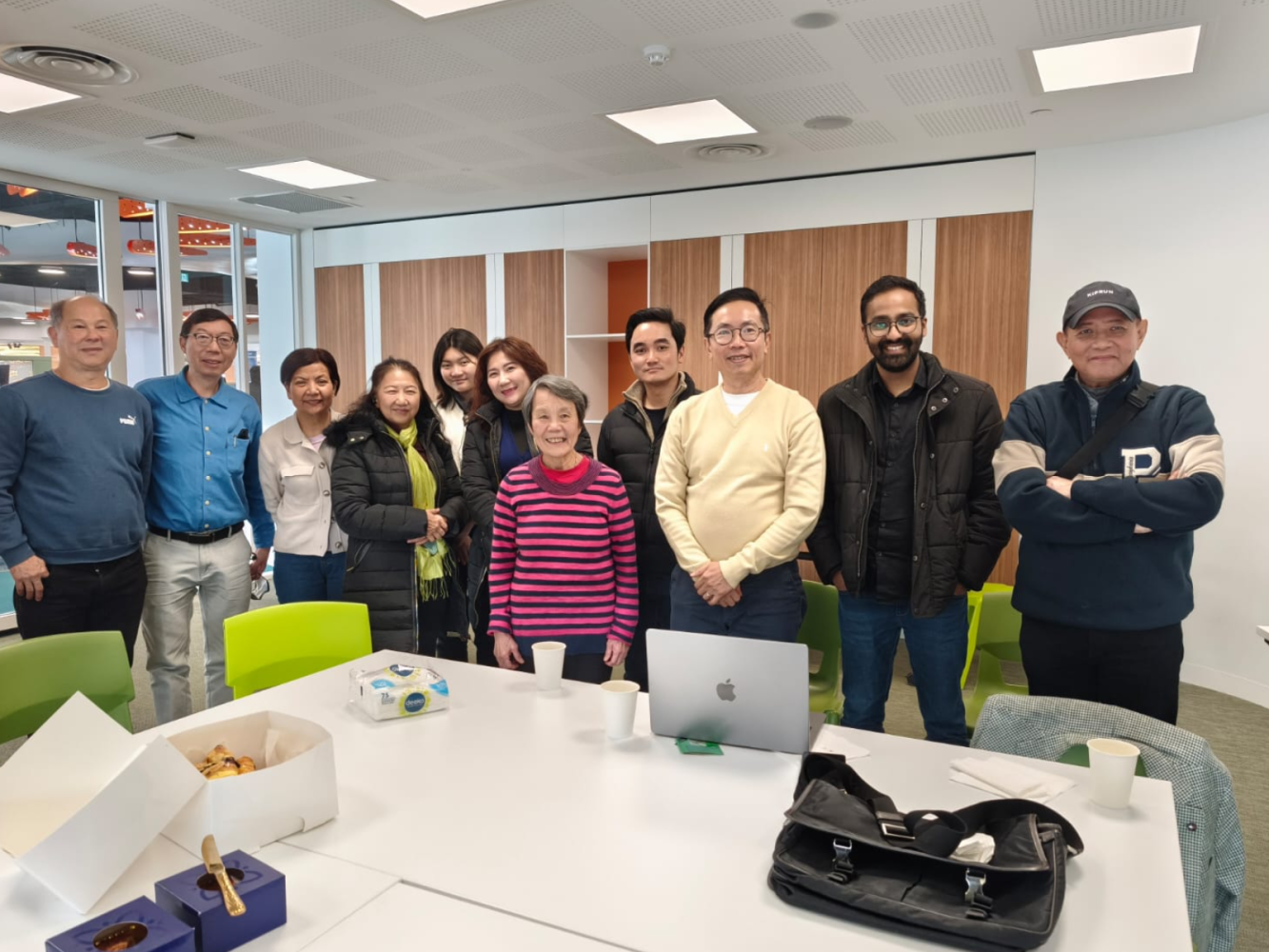
At DexWellness, we recently put this vision into practice. On Saturday, 20 September 2025, we hosted an inspiring community event in Melbourne featuring a leading oncologist and a respected professor who shared valuable insights on cancer awareness, prevention, lifestyle, and diet. The discussion also highlighted the vital role of families and individuals in supporting people with cancer psychologically and spiritually.
Why Cancer is Growing—and What It Means for Workplaces
Indonesia, like many developing nations, faces a double burden: population growth and aging on one side, and lifestyle shifts—less activity, processed food, tobacco use—on the other. Add limited access to screening and late-stage diagnoses, and the result is soaring claims on BPJS Kesehatan and private insurers.
Cancer treatment without proper insurance coverage can cause financial collapse—families often sell assets, sacrifice children’s education, and carry debts that destroy their long-term dreams. This is why parents must prepare insurance protection not only for treatment but also to secure and pass on a legacy of education and financial wellbeing.
Workplace Actions: From Policy to Practice
Forward-looking companies can play a powerful role in turning this tide. Some practical steps include:
- Healthy lifestyle campaigns: subsidised nutritious meals, exercise programs, and smoke-free workplace policies.
- Accessible early detection: leveraging BPJS Kesehatan screenings (VIA for cervical cancer, clinical breast exams, FOBT/FIT stool tests) and partnering with insurers for annual check-ups or mobile screening days.
- Protective culture: policies like wellness leave for medical check-up, regular wellbeing & health education seminars, and data-driven wellbeing intelligence systems to track risks and tailor interventions.
“These initiatives cost far less than treatment, and they pay off in sustained performance, lower insurance claims, and healthier, more engaged employees.”
Individual Responsibility: Small Steps, Big Impact
While companies can enable, individuals must also take responsibility. The most impactful personal actions are clear:
- Quit smoking and limit alcohol.
- Exercise regularly and eat a diet rich in vegetables, fruits, whole grains, and less processed foods.
- Maintain a healthy weight to lower risk of obesity-related cancers.
- Get vaccinated (HPV, Hepatitis B) where relevant.
- Join regular screening: VIA/HPV test for cervical cancer, clinical breast exams, stool tests for colorectal cancer, and oral checks in tobacco-using populations.
These are affordable, accessible, and evidence-based tools that significantly cut risk when adopted consistently.
A Shared Strategy for a Healthier Future
The workplace, BPJS Kesehatan, insurers, and individuals can no longer act in silos. Shared financing models for preventive care, workplace health packages that bundle screenings, and incentives for healthy behavior can align the interests of all stakeholders. It’s a win-win: lower national health costs, reduced claims, and higher workforce vitality.
Call to Action
Cancer does not have to be an inevitable burden. By embracing Medicine 3.0’s preventive philosophy, workplaces and individuals can take back control—transforming health outcomes, protecting productivity, and sustaining families.
“The question is no longer whether we can afford prevention, but whether we can afford not to.”